

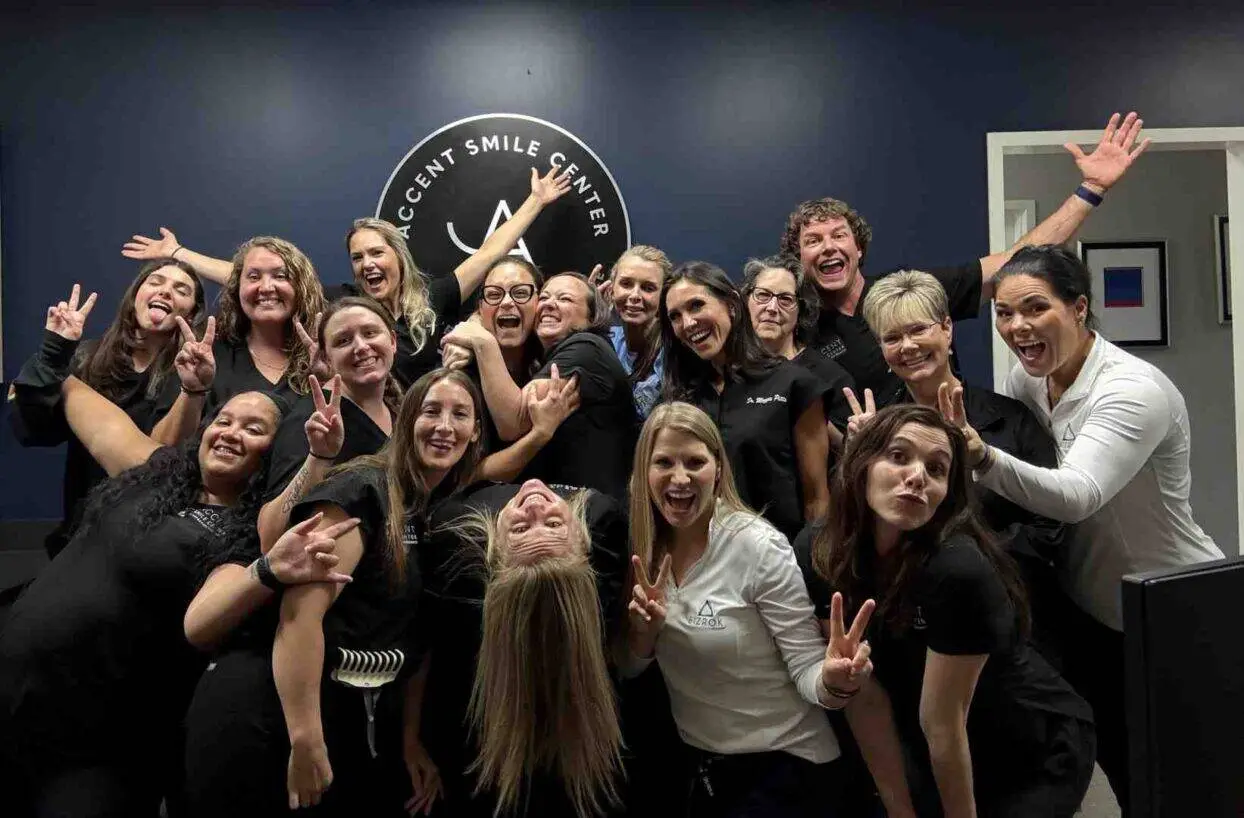
The Transformative Impact of Dental Practice Training
Dental Practice Training is the systematic development of your team’s skills and knowledge to improve patient care, increase efficiency, and drive growth. The most effective programs focus on several key areas:
Essential Training Areas:
- Front Office: Patient communication, scheduling, insurance coding, HIPAA
- Clinical Staff: Continuing education (CE), new equipment, infection control
- Compliance: OSHA standards, risk management, emergency procedures
- Cross-Training: Multi-role capabilities for improved workflow
Popular Training Methods:
- In-person workshops
- Online, self-paced courses
- Virtual one-on-one coaching
- Interactive webinars
The numbers are compelling: millennial employees rank training and development as a top job benefit, second only to their paycheck. Practices that invest in training report higher employee satisfaction, reduced turnover, and better-equipped teams.
Many dental practice owners know their team has potential but aren’t sure how to open up it. The solution isn’t just buying better equipment—it’s investing in the people who use it.
I’m Tim Johnson, Co-Founder and CEO of BIZROK. I’ve spent years helping dental practices scale through strategic team development. My experience has shown that successful practices treat training as a cornerstone investment, not an optional expense.

Why Investing in Your Team is Your Best Business Strategy
Think of your dental practice as a finely tuned machine where each team member is a vital component. Investing in Dental Practice Training is a strategic imperative with a significant return on investment (ROI).
For us, the benefits are clear:
-
Improved Patient Care: A well-trained team provides exceptional patient care. Confident staff focus on the patient experience, leading to higher satisfaction, positive reviews, and fewer clinical mistakes. Every patient feels valued and well-cared for.
-
Increased Revenue and Efficiency: Training directly impacts your bottom line. An efficient front office can significantly boost new patient conversions—top performers see an 81% rate versus the 42% national average. Streamlined operations, better patient flow, and effective insurance billing all contribute to higher revenue and financial health.
-
Higher Employee Retention and Satisfaction: In today’s competitive job market, training is a priority, especially for millennials. A 2020 survey by PricewaterhouseCoopers found it’s their second most important job benefit after pay. Investing in your team makes them feel valued and engaged, reducing costly turnover and building a stable, experienced staff. This fosters a positive, learning-oriented culture crucial for long-term success. You can learn more about creating such a culture here: https://www.forbes.com/sites/forbesbusinesscouncil/2021/03/11/three-lessons-on-creating-a-culture-of-learning/?sh=448b5cc85d13.
-
Improved Practice Reputation: A skilled, cohesive team improves your practice’s reputation. Patients notice when staff are knowledgeable and compassionate, leading to positive word-of-mouth referrals and a stronger community standing.
Investing in your team through Dental Practice Training is as vital as buying the best equipment. It’s an investment in your practice’s future, ensuring sustained growth and a happy, productive team.
Core Components of a Successful Dental Practice Training Program
A comprehensive Dental Practice Training program addresses the unique needs of every role, ensuring the entire team works in harmony to deliver exceptional patient care and a thriving practice.
Foundational Dental Practice Training for Your Front Office Team
Your front office team is the first and last point of contact for patients, making their skills critical to patient satisfaction and practice efficiency.

Patient communication skills form the foundation of the front office role. This involves active listening, empathy, and gracefully handling difficult conversations. Your team must explain treatment plans and financial options clearly and comfortably.
When it comes to appointment scheduling, efficiency is key. Efficient scheduling minimizes wait times while maximizing chair time. Training should cover managing the daily flow, handling cancellations, and optimizing the schedule.
Insurance and coding practices are complex but vital. Your team needs solid training in verification, claims submission, navigating plans, and accurate coding to maximize revenue and reduce rejections.
Practice management software proficiency is non-negotiable. Regardless of the platform you use, your team needs to master essential modules like booking, patient charting, and reporting. Many systems offer self-paced learning to help grow these skills.
Handling patient finances is a crucial skill. Your team must be confident when presenting costs, discussing payment options, and managing accounts receivable. Staff confidence puts patients at ease.
HIPAA compliance is essential for protecting patient privacy. All team members must understand data confidentiality, secure communication, and proper handling of patient records to ensure compliance.
Excellent phone etiquette is critical, as the phone is often a new patient’s first impression. Top practices convert 81% of new patient calls into appointments, versus the 42% national average—a difference that highlights the value of training.
Clinical Excellence: Back Office and Continuing Education (CE)
For the clinical team—dental assistants, hygienists, and dentists—continuous learning is essential for maintaining high standards of care in the rapidly evolving field of dentistry.
When you invest in new equipment integration, such as laser dentistry or CAD/CAM technology, effective training is essential to maximize benefits. Your team needs specialized training to use these tools efficiently and safely.
Your team should understand how modern dental technology improves patient outcomes and boosts efficiency, staying current with advancements in all areas of dentistry.
Infection control protocols are a non-negotiable area of training. Your team must be experts in OSHA standards for infection control, including bloodborne pathogens, sharps safety, waterline maintenance, and proper sterilization. Meticulous documentation is key.
Encouraging professional development and ongoing growth keeps your team updated on the latest best practices, leading to better patient care and increased staff confidence.
Continuing education for hygienists and dental assistants is a great benefit, and many states require it for licensure. Options include flexible online courses, webinars, and hands-on workshops. Many organizations offer on-demand online courses, some with administrator features to monitor team progress. Just remember that state-specific CE regulations vary—courses on topics like personal development or business may not be eligible for credit in certain states.
Ensuring Compliance and Procedural Consistency
Compliance is about safeguarding patients, protecting your team, and maintaining your reputation. Effective Dental Practice Training ensures everyone understands and follows critical regulations and procedures.
OSHA standards training is mandatory for all employees. This covers bloodborne pathogens, sharps safety, chemical safety, and general office safety to maintain a safe work environment.
HIPAA regulations govern patient health information. Training must cover patient privacy, data security, and proper handling of sensitive information. Specialized training for your Dental Privacy Officer is also crucial.
Your employee handbook outlines office policies, hours, and conduct. Training should ensure all staff understand its contents and importance.
Risk management involves proactive training, including role-playing for various situations like emergency management, to address potential problems before they escalate.
Clear, well-practiced emergency protocols are vital. Training must include regular drills so everyone knows what to do when seconds count.
Creating policy manuals and standardizing procedures ensures consistency. Training ensures policies are understood and applied, standardizing everything from patient intake to sterilization to improve workflow and reduce errors.
For practices looking to dive deeper into optimizing operational efficiency and ensuring seamless practice management, comprehensive operations support can make a significant difference. Learn more about how we can help your practice run smoothly at https://bizrok.com/practice-operations-support/.
Implementing and Choosing the Right Training for Your Practice
Implementing a great Dental Practice Training program requires finding the right mix of methods and the right partner for your unique practice.
Effective Dental Practice Training Methodologies
Every team member learns differently, so a variety of training approaches is most effective.
Cross-training is a fantastic strategy. When team members can cover for one another, the whole practice runs smoother. It creates a versatile, reliable team and allows staff to learn refreshing new skills.
Online learning platforms and self-paced courses allow staff to complete modules on their own time. Many platforms let you assign courses and track progress, which is perfect for foundational and compliance training.
For more personalized attention, virtual one-on-one coaching provides targeted support for specific challenges, like insurance issues or leadership development, offering immediate feedback in a private setting.
In-person workshops are powerful for hands-on skills, team building, and practicing difficult conversations. They also allow the team to bond and learn from one another.
Role-playing scenarios are incredibly effective. Practicing difficult conversations, like handling an upset patient or discussing finances, builds confidence and skills for real-world patient interactions.
Peer-to-peer mentorship is a natural way to transfer knowledge. Pairing experienced staff with newer ones creates a supportive environment where knowledge is passed down organically, helping everyone succeed.
Some programs use computer simulations that let your team practice making management decisions and work through ethical dilemmas in a risk-free, simulated environment.
The key is mixing these methods to create a Dental Practice Training experience that keeps your team engaged.
Selecting a Partner for Your Practice’s Growth
Choosing a training partner is about finding a relationship that can transform your practice. Take the time to find the right fit.
Comprehensive offerings matter. Look for a partner who understands both the clinical and business sides of dentistry, offering help with everything from compliance to clinical techniques.
Customization is where the magic happens. A cookie-cutter program won’t address your specific needs. At BIZROK, we take time to understand your practice’s unique situation to design a truly custom training program.
Measuring success should be straightforward. A good partner helps you set clear goals and track progress with metrics that matter, like treatment plan acceptance, team retention, and claims processing speed.
Focus on relationships and individual development sets exceptional partners apart. We see team members as individuals with unique strengths and goals. When people feel valued and supported, they perform better and stay longer.
Long-term support is crucial. The best results come from a long-term partner who provides ongoing coaching, check-ins, and continuous support as your practice evolves.
At BIZROK, our approach is built on lasting relationships. We become part of your extended team, invested in your success. Our clients often tell us they feel like family, which is our goal.
Ready to see how our team training services can help open up your practice’s full potential? We’d love to show you how a relationships-based approach to Dental Practice Training can create a more productive, efficient, and harmonious environment for everyone. Learn more about our comprehensive team training services here: https://bizrok.com/team-training/.